
管束
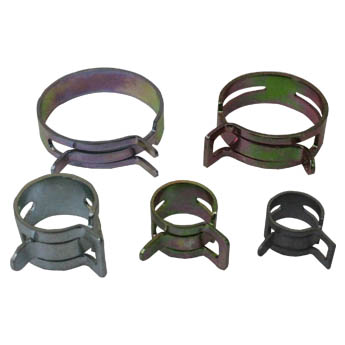 管束
管束
冠豪工業社
電話:886-4-7696528 傳真:886-4-7685402
50441彰化縣秀水鄉曾厝村福陵巷75號
管束通常用於汽車、機械、船舶、建築等領域,用於固定和保護管道、電線、防止損壞或損壞。 本設備具有使用方便、壽命長、防護等優點,並能提供固定效果。 汽車維修機械生產過程中,對油管、水管、電纜等固定車輛的定期需求,確保其不因振動或移動而掉落、墜落,確保車輛或設備運作正常。 在建築工程領域,管材用於固定建築電線、水管、熱力學管,確保建築安全。
緊固之藝:冠豪工業社如何打造工業級高品質「管束」
在流體傳輸與機械結構中,一個微小的管束往往決定了整個系統的安全與穩定。無論是防止高壓軟管脫落,還是確保液體不滲漏,高性能的管束都是工業生產中不可或缺的緊固組件。冠豪工業社憑藉深耕五金沖壓領域多年的技術底蘊,致力於提供高品質、高可靠性的各類管束產品,成為全球客戶在緊固方案上的首選夥伴。
多元材質與精良工藝:應對各種嚴苛環境
管束的應用場景極為廣泛,從引擎室的高溫環境到戶外管線的潮濕地帶。冠豪工業社提供多種材質選擇,以確保管束具備優異的抗腐蝕性與結構強度:
-
不鏽鋼(SUS304/316): 具備極佳的耐鏽蝕能力,廣泛應用於化工、食品加工及海洋環境。
-
鍍鋅鋼: 提供高性價比的防護,適合室內機械與一般工業組裝。
-
高強度合金: 針對高壓及震動頻繁的特殊場合,確保緊固力不因時間而衰減。
精密沖壓技術:賦予管束極致的密封力
管束的品質核心在於其「束緊力」的均勻度。冠豪工業社透過先進的沖壓加工與自動化生產線,精準控制管束帶體的厚度與螺牙間距。我們特別注重邊緣處理,確保管束在束緊過程中不會劃傷軟管表面,同時提供穩定的扭矩輸出。
從模具到量產:專業的客製化服務
不同產業對管束的尺寸、寬度及緊固方式(如歐式、美式或強力型)有著截然不同的需求。冠豪工業社具備自主研發沖壓模具的能力,能針對客戶的特殊規格進行客製化開發。從打樣到大批量生產,我們均能維持高度的品質一致性,協助客戶優化產品性能。
選擇冠豪:實現最穩固的連接
在追求效率與安全的製造時代,選擇一個可靠的供應商至關重要。冠豪工業社(guan-hao.com)始終秉持專業與誠信,確保每一枚出廠的管束都能承受時間與壓力的考驗。如果您正在尋找具備深厚經驗且產能穩定的管束製造商,冠豪將是您最理想的技術後盾。
緊固與流體的守護者:管束(Hose Clamp)的工藝進革與全產業應用
在精密機械、汽車工業、能源電力,甚至是我們居家生活的五金水電中,「管束」(Hose Clamp / Pipe Clamp)是一個極其平凡卻又絕對關鍵的存在。它雖然隱身於設備內部的暗處,卻承擔著流體傳輸安全、系統壓力維持以及震動緩衝的重任。管束的本質是「一種用於將軟管緊固於接頭上的連接裝置」,但在現代工程中,它已演化成一門結合材料力學、精密製造與環境工程的深奧學問。
一、 管束的基本構造與物理原理
管束的核心任務在於提供一個均勻且持續的徑向壓力。當我們將軟管套入金屬接頭時,兩者之間僅靠摩擦力是不夠的,特別是在面對高壓流體或高溫膨脹時。
一個標準的管束(以常見的渦輪式管束為例)通常由三部分組成:
-
帶身(Band): 圍繞管件的環狀金屬帶。
-
殼體(Housing): 固定螺絲並與帶身嚙合的結構。
-
螺絲(Screw): 透過旋轉產生拉力,縮短帶身長度進而產生緊固力。
其物理原理在於將螺紋的旋轉力矩轉化為鋼帶的張力,最後轉化為對管壁的徑向壓縮力。優秀的管束必須能確保這股壓力在圓周方向上分布均勻,避免產生「壓力盲點」導致流體滲漏。
二、 管束的常見種類及其專業應用
隨著產業需求的多樣化,管束也發展出多種截然不同的形式:
1. 美式管束(Worm Gear Clamp)
這是最普及的類型,帶身上有鏤空的齒孔,透過螺絲帶動。
-
優點: 調節範圍大,安裝簡單,適用於大多數低中壓場景。
-
缺點: 鏤空處容易在軟管表面造成壓痕,若安裝過緊可能損壞軟管。
2. 德式管束(German Type Hose Clamp)
與美式不同,德式管束的帶身不穿孔,齒痕壓印在帶身背面。
-
優點: 內壁光滑,不傷軟管;抗扭矩強,能提供比美式更穩定的緊固力。廣泛應用於歐系汽車與高端機械。
3. 強力管束(T-Bolt Clamp)
採用 T 型螺栓結構,帶身厚度與寬度皆較大。
-
優點: 專為高壓系統設計,如渦輪增壓器的進氣管路。它能承受極高的拉力而不變形。
4. 彈簧管束(Spring Clamp / Constant Tension Clamp)
由彈簧鋼製成,不需螺絲緊固。
-
優點: 具備「常時張力」,能隨著溫度變化引起管件熱脹冷縮時自動調整壓力。常見於汽車水箱與冷卻系統。
三、 材質與防腐蝕:決定管束壽命的關鍵
管束長期處於潮濕、高溫或化學腐蝕環境中,材質選擇至關重要。
-
鍍鋅鋼(Galvanized Steel): 成本最低,適用於乾燥或一般室內環境。
-
430 不鏽鋼: 具有基本防鏽能力,且具磁性,常規民生用途首選。
-
304 不鏽鋼: 具備優異的耐腐蝕性能,廣泛應用於工業與汽車零組件。
-
316 不鏽鋼: 含有鉬元素,具有極強的抗氯化物與酸鹼腐蝕能力,是離岸風電、船舶與化學工廠的標準配置。
四、 產業應用深度剖析
1. 汽車與運輸工業
在一輛汽車中,管束分佈在冷卻系統、燃油管路、進氣系統及動力轉向系統中。汽車環境溫差極大(從冰封到引擎發熱的 100°C 以上),這要求管束必須具備極佳的耐疲勞性。如果管束失效導致冷卻液外洩,輕則拋錨,重則導致引擎報廢。
2. 工業與化學製程
在化學工廠中,管束需緊固輸送腐蝕性液體的特氟龍管或複合管。此時,管束的「應力分布」非常重要,過大的壓力會破壞昂貴的特殊軟管,過小則引發有毒物質洩漏,屬於工安管理的重點節點。
3. 建築五金與水利
家庭中的洗衣機進水管、瓦斯軟管,到大樓的雨水排放系統,管束提供了快速組裝與拆卸的便利性。在震動較大的抽水馬達周邊,則需選用防震效果佳的管束。
五、 選擇與安裝管束的科學
很多滲漏問題並非管束品質不好,而是安裝不當所致:
-
選型誤區: 應測量軟管套入接頭後的「外徑」,而非軟管的原始規格。管束的調節範圍應處於中段,而非極端。
-
扭矩控制: 安裝時應使用扭矩起子。過大的扭矩會導致螺絲斷裂或帶身滑齒(Stripping);扭矩不足則會因系統壓力升高而脫落。
-
位置定位: 管束應安裝在距離接頭突緣(Bead)約 3-5mm 處,若太靠近接頭邊緣,受壓時軟管容易被切斷。
六、 未來趨勢:智慧管束與綠色材料
隨著工業 4.0 的推進,管束也開始朝向智慧化發展。
-
數位化監控: 研究人員正開發內建應變片的「智慧型管束」,能偵測緊固力的衰減並即時發出警報,防止意外洩漏。
-
輕量化與環保: 開發更高強度的薄型合金,減少鋼材使用量;同時針對海洋環境開發更長壽命的環保鍍層,減少鋅與鉻對環境的影響。
七、 結語
管束(Hose Clamp)雖小,卻是連結系統安全的最後一道防線。它展現了人類如何利用簡潔的結構設計解決複雜的力學問題。無論是在追求極致效率的自動化產線,還是在重視耐久性的基礎設施中,選對一個合適的管束,就是對整個系統穩定運作的最佳保障。
對於製造商如您而言,掌握管束的工藝細節——從選材、結構設計到安裝標準——不僅是產品質量的體現,更是品牌專業形象的延伸。
The Guardian of Fastening and Fluids: The Evolution and Industry-Wide Applications of Hose Clamps
In precision machinery, the automotive industry, energy and power, and even in our home's plumbing and electrical systems, the "hose clamp" (or pipe clamp) is an extremely ordinary yet absolutely crucial component. Though hidden within the equipment, it bears the heavy responsibility of ensuring safe fluid transmission, maintaining system pressure, and buffering vibrations. Essentially, a hose clamp is "a connection device used to fasten a hose to a fitting," but in modern engineering, it has evolved into a profound discipline combining materials mechanics, precision manufacturing, and environmental engineering.
I. Basic Structure and Physical Principles of Hose Clamps
The core task of a hose clamp is to provide a uniform and continuous radial pressure. When we fit a hose into a metal fitting, friction alone is insufficient, especially when dealing with high-pressure fluids or high-temperature expansion.
A standard hose clamp (taking a common turbine-type hose clamp as an example) typically consists of three parts:
Band: The annular metal band surrounding the fitting.
Housing: The structure that secures the screw and engages with the belt body.
Screw: Generates tension through rotation, shortening the belt length and thus creating a tightening force.
The physical principle lies in converting the rotational torque of the thread into the tension of the steel belt, ultimately transforming it into radial compressive force on the tube wall. A high-quality tube bundle must ensure that this pressure is evenly distributed circumferentially, avoiding "pressure blind spots" that could lead to fluid leakage.
II. Common Types of Tube Bundles and Their Professional Applications
With the diversification of industry needs, tube bundles have developed into several distinct forms:
1. American-style Tube Bundle (Worm Gear Clamp)
This is the most common type, featuring perforated teeth on the belt body, driven by a screw.
Advantages: Wide adjustment range, simple installation, suitable for most low- to medium-pressure applications.
Disadvantages: The perforated areas can easily create indentations on the hose surface; overtightening may damage the hose.
2. German Type Hose Clamp: Unlike the American type, the German type clamp has no perforations; the teeth are imprinted on the back of the clamp.
Advantages: Smooth inner wall, does not damage the hose; strong torque resistance, providing a more stable tightening force than the American type. Widely used in European automobiles and high-end machinery.
3. T-Bolt Clamp: Employs a T-bolt structure, with a larger clamp thickness and width.
Advantages: Specifically designed for high-pressure systems, such as the intake manifold of turbochargers. It can withstand extremely high tensile forces without deformation.
4. Spring Clamp/Constant Tension Clamp: Made of spring steel, requires no screws for fastening.
Advantages: Possesses "constant tension," automatically adjusting pressure according to thermal expansion and contraction of the fittings. Commonly found in automotive radiators and cooling systems.
III. Material and Corrosion Resistance: Key Factors Determining Tubing Lifespan Tubing bundles are exposed to humid, high-temperature, or chemically corrosive environments for extended periods, making material selection crucial.
Galvanized Steel: Lowest cost, suitable for dry or general indoor environments.
430 Stainless Steel: Offers basic rust resistance and is magnetic; preferred for general civilian applications.
304 Stainless Steel: Excellent corrosion resistance; widely used in industrial and automotive components.
316 Stainless Steel: Contains molybdenum, exhibiting extremely strong resistance to chlorides and acid/alkali corrosion; standard configuration for offshore wind power, shipbuilding, and chemical plants.
IV. In-Depth Analysis of Industrial Applications
1. Automotive and Transportation Industry
In a car, tubing bundles are distributed in the cooling system, fuel lines, intake system, and power steering system. The automotive environment experiences extreme temperature variations (from freezing to over 100°C when the engine heats up), requiring tubing bundles to possess excellent fatigue resistance. If a hose bundle fails and causes coolant leakage, it can lead to anything from breakdowns to engine failure.
2. Industrial and Chemical Processes
In chemical plants, hose bundles are used to secure Teflon or composite hoses that transport corrosive liquids. In this case, the "stress distribution" of the hose bundle is crucial. Excessive pressure can damage expensive special hoses, while insufficient pressure can cause toxic substance leaks, making this a key area for industrial safety management.
3. Building Hardware and Plumbing
From washing machine inlet pipes and gas hoses in homes to rainwater drainage systems in buildings, hose bundles provide convenience for quick assembly and disassembly. Around high-vibration areas like water pumps, hose bundles with excellent shock absorption should be selected.
V. The Science of Selecting and Installing Hoses
Many leakage problems are not due to poor hose bundle quality, but rather improper installation:
Selection Mistakes: The "outer diameter" of the hose after fitting into the connector should be measured, not the original hose size. The hose bundle adjustment range should be in the middle range, not at the extreme.
Torque Control: A torque screwdriver should be used during installation. Excessive torque can cause screw breakage or stripping; insufficient torque can lead to detachment due to increased system pressure.
Positioning: Hose clamps should be installed approximately 3-5mm from the connector bead. If installed too close to the edge, the hose is easily severed under pressure.
VI. Future Trends: Smart Hose Clamps and Green Materials
With the advancement of Industry 4.0, hose clamps are also moving towards intelligent development.
Digital Monitoring: Researchers are developing "smart hose clamps" with built-in strain gauges that can detect weakening of the fastening force and issue immediate alarms to prevent accidental leaks.
Lightweighting and Environmental Protection: Developing higher-strength, thinner alloys to reduce steel usage; simultaneously developing longer-life, environmentally friendly coatings for marine environments to reduce the environmental impact of zinc and chromium.
VII. Conclusion
Though small, the hose clamp is the last line of defense for system safety. It demonstrates how humans can solve complex mechanical problems using simple structural design. Whether in automated production lines pursuing ultimate efficiency or in infrastructure prioritizing durability, choosing the right tubing is the best guarantee for the stable operation of the entire system.
For manufacturers like yourself, mastering the technological details of tubing—from material selection and structural design to installation standards—is not only a reflection of product quality but also an extension of your brand's professional image.